Consent that can be withdrawn
In Southwest Papua, clan consent is documented, held by the clan as well as the programme, and can be withdrawn.
Southwest PapuaConsentGovernance
Protecting High-Value Forest Landscapes, Strengthening Forest Governance, and Advancing Climate Action
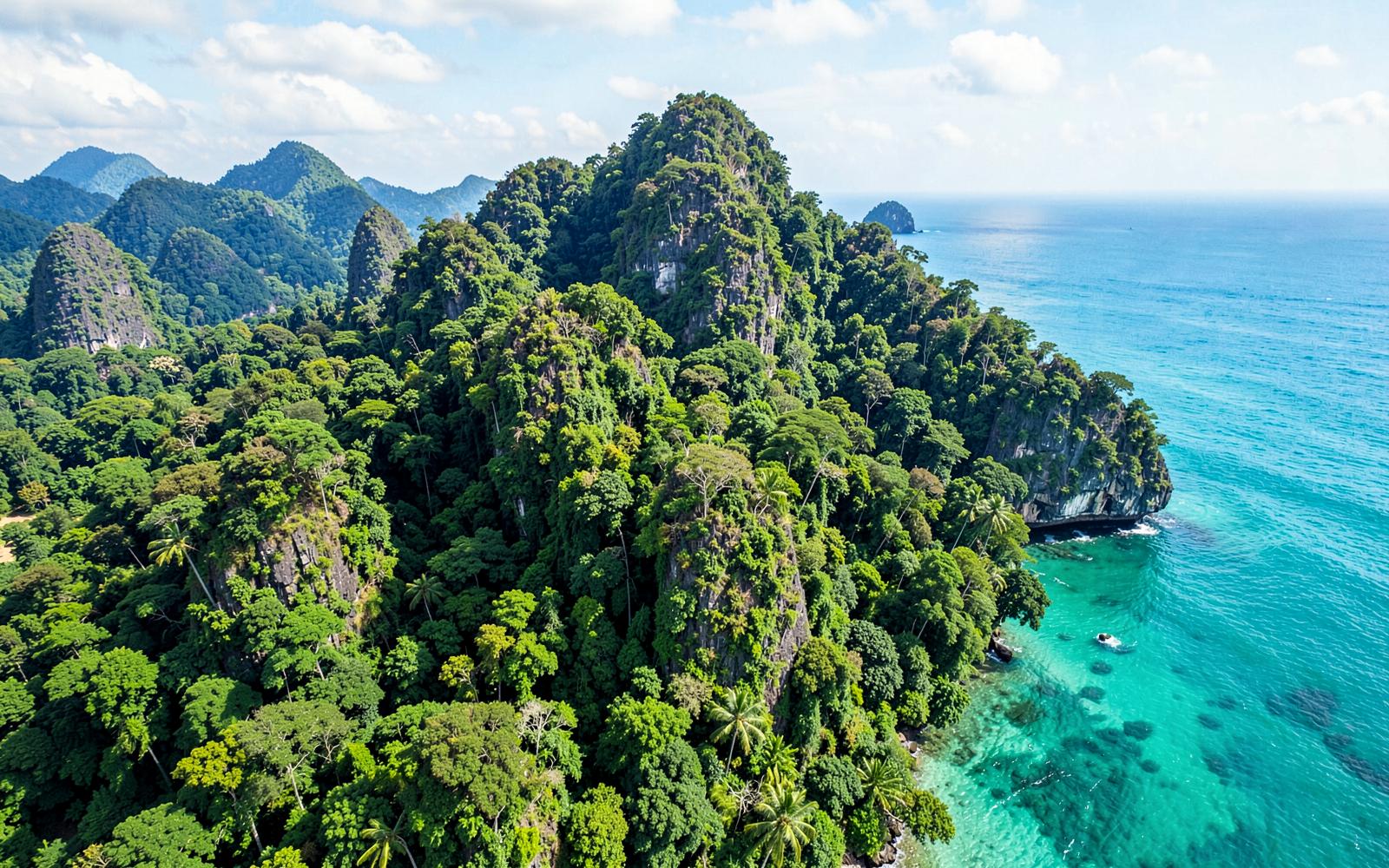
Papua Barat Daya represents a strategic opportunity to demonstrate how a forest-rich region can protect its natural capital while building the institutions needed for sustainable, climate-resilient development. Established in 2022, the province encompasses approximately 38,820.90 km², including 4.07 million hectares of forest that sustain biodiversity, regulate water systems, store carbon, and support the livelihoods and cultural identity of Indigenous Peoples and local communities. Its distinctive ecosystems, including tropical forests and mangroves, are home to globally significant biodiversity, including the iconic Wilson’s bird-of-paradise.
The province’s historical deforestation rate averaged approximately 882 hectares per year during 2016–2022, while recorded forest degradation averaged 38.3 hectares per year during 2019–2022. These figures highlight an important opportunity: to safeguard a largely forest-rich landscape before pressures on its natural resources intensify. Maintaining forest integrity is essential not only for climate mitigation and biodiversity conservation, but also for sustaining ecosystem services and supporting long-term regional development.
Realising this opportunity requires stronger forest governance and management capacity. As a newly established province, Papua Barat Daya faces institutional and operational challenges, including limited technical personnel and infrastructure, gaps in comprehensive and up-to-date forest data, weaknesses in monitoring and enforcement, and the need to strengthen Indigenous Peoples’ and local communities’ participation in forest planning and management. Addressing these challenges early can help prevent future environmental pressures from becoming more difficult and costly to manage. The priority, therefore, is to secure the province’s forest assets while establishing the foundations for effective, inclusive, and climate-aligned governance. By strengthening forest management institutions, supporting community stewardship, and developing the technical systems required for REDD+, Papua Barat Daya can protect its natural capital while advancing a development pathway that connects environmental integrity, local livelihoods, and long-term climate resilience.
Forest Area
Biodiversity Significance
Carbon-Rich Ecosystems
Average Annual Deforestation
Cumulative Deforestation Emissions
Average Annual Forest Degradation
Southwest Papua represents a strategic opportunity to protect one of Indonesia’s most valuable forest landscapes while building a strong foundation for sustainable forest governance. With extensive tropical forests, rich biodiversity, and substantial carbon storage potential, the province offers an important opportunity to maintain low deforestation and forest degradation.
Protecting exceptional biodiversity. Safeguarding unique ecosystems, endemic wildlife, and globally significant species.
Maintaining low forest loss. Sustaining low deforestation and degradation to preserve forest carbon stocks and ecosystem integrity.
Building strong forest governance. Strengthening institutional capacity, forest planning, monitoring, and protection in a newly established province. Empowering Indigenous and local communities. Advancing inclusive forest management and sustainable livelihoods while exploring biodiversity and other Non-Carbon Benefits.
6
Strengthening the institutional capacity of 6 Forest Management Units through routine forest patrols and capacity building for KPH personnel in forest mapping and community empowerment.
18
18 social forestry management plans strengthened, covering 13,932 ha; 2 non-timber forest products developed and sustainably managed
120
Rehabilitation of 120 hectares of forest and 20 hectares of mangrove ecosystems to support ecosystem restoration and enhance Papua Barat Daya’s provincial forest carbon stocks.
A provincial Strategic Action Plan and FRL/FREL documentation completed, including biodiversity-related non-carbon benefits
ProKlim implementation support in priority areas
Carbon-Rich Ecosystems
The programme aims to maintain Papua Barat Daya’s historically low rates of deforestation and forest degradation, keeping annual forest loss at or below the 2016–2022 average of 882 hectares and forest degradation at or below the 2019–2022 average of 38.3 hectares, as established in the Provincial Forestry Management Plan (RKTP 2024–2043). Beyond maintaining forest carbon stocks, the programme seeks to strengthen biodiversity conservation and explore the potential of biodiversity and other Non-Carbon Benefits as additional sources of value and incentives for long-term forest protection.
Strengthening forest governance
The programme supports six Forest Management Unit (FMU) through forest patrols, fire-prevention measures, drone-operation training, and supporting equipment.
Community Participation and Sustainable Livelihoods
Facilitating 18 Social Forestry Management Plans, participatory mapping, community forest stewardship, and the development of non-timber forest products, including forest-based products and beekeeping.
Forest, Land, and Mangrove Restoration
Supporting rehabilitation of 100 hectares of forest and land, restoration of 20 hectares of mangroves, environmental greening, seedling distribution, and monitoring and maintenance of planted areas. Building the foundations for REDD+ and climate action The programme supports the preparation of provincial REDD+ strategy and action planning, FRL/FREL, biodiversity-related NCB information, safeguards reporting, greenhouse gas inventory reporting, and ProKlim planning. These instruments are intended to strengthen the province’s technical capacity and readiness for future climate mitigation initiatives.
In Southwest Papua, clan consent is documented, held by the clan as well as the programme, and can be withdrawn.
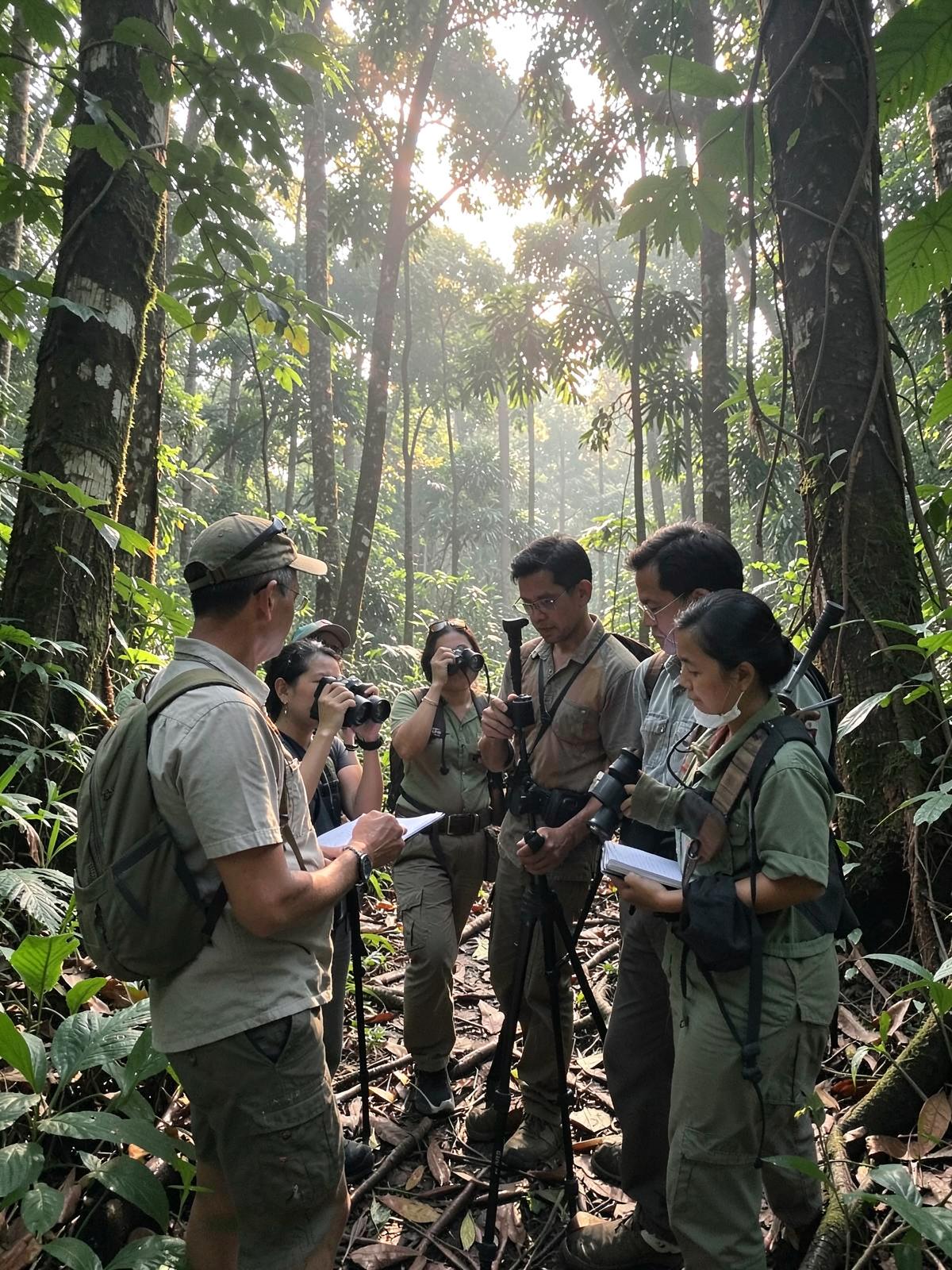
Southwest Papua is the least converted landscape in the programme. The first job is to record what is there, species by species.
In Sorong, transect work stopped for four months while eleven clans decided who could consent to it.