A fire watch that starts before the fire
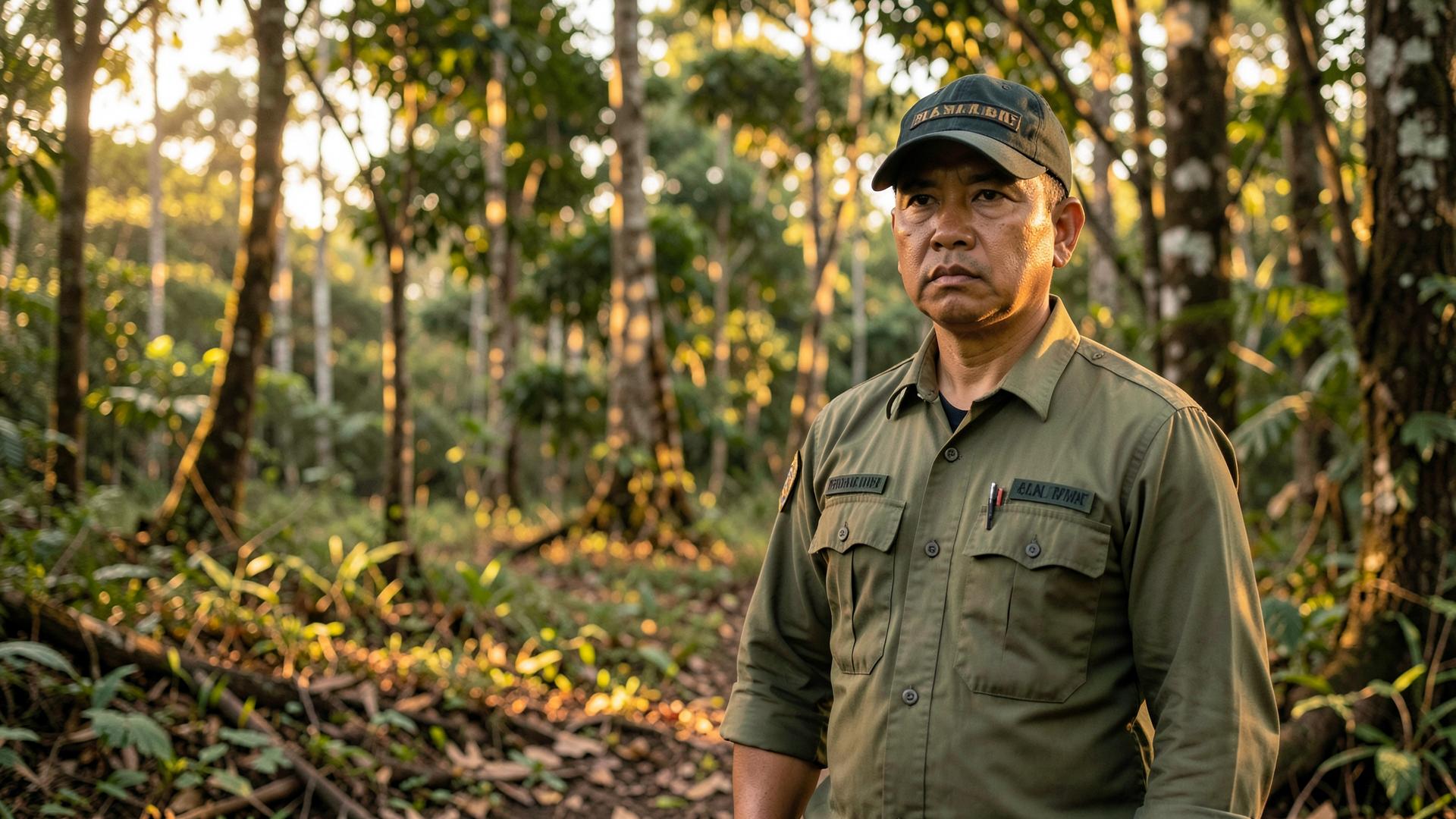
Peat burns in dry years. In Riau, village fire teams are equipped and paid for the whole dry season, not called in after ignition.
RiauPartnershipClimate
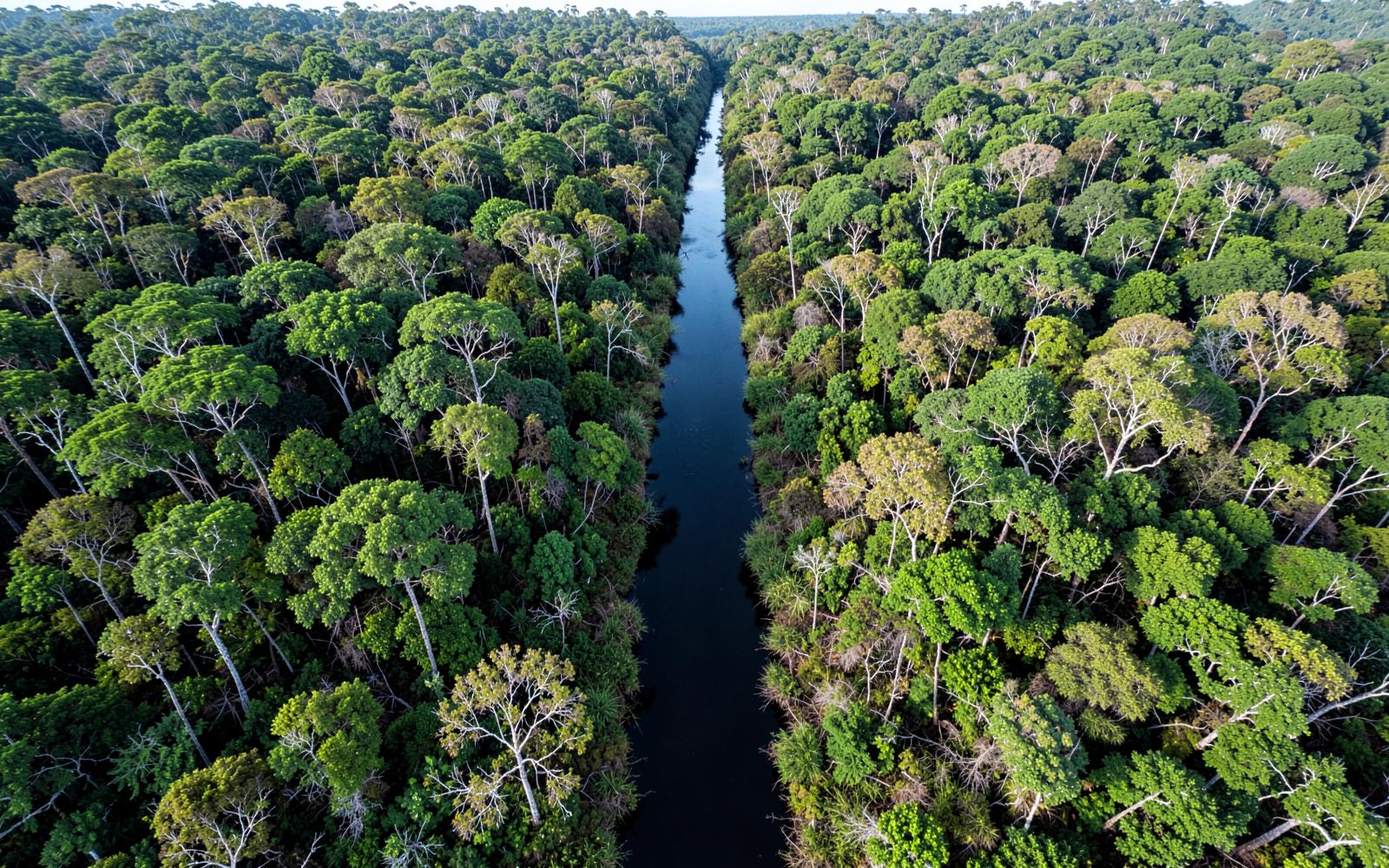
Coastal peat domes cut by drainage canals, where the water table decides whether carbon stays in the ground.
Riau holds some of the deepest peat in Sumatra. Where that peat is drained it oxidises continuously, releasing carbon whether or not a single tree is felled, and it burns in dry years.
The programme works in two districts with forest management units (KPH) and village governments on canal blocking, fire watch and the legal recognition of village forest areas.
Work in Riau began with a hydrological survey rather than a planting target, because on peat the water table is the variable that matters.
Forest landscape under programme intervention
Working area
Peat under rewetting
Households in agreements
Canal dams built
Village forest permits supported
Keep the water in this peat, and the carbon stays where it has been for thousands of years.
Some of the deepest peat in Sumatra, holding carbon that is cheaper to keep than to replace.
Village crews already know where the water runs; their work is the protection.
Every closed canal keeps the dome wetter through the next dry season.
150ha
Rehabilitate 150 ha of conservation and mangrove land across 9 Forest Management Units (KPH)
4
4 Long-Term Forest Management Plans (RPHJP) completed across KPH Minas Tahura, Tebing Tinggi, Bagansiapiapi, and Singingi, covering 1,276,959 ha
9
9 Community Fire Prevention Groups (MPA) strengthened
1,100people
At least 1,100 people across 11 Climate Villages (ProKlim), with 110 trained as mitigation pioneers/facilitators
135members
135 members across 10 Social Forestry Business Groups (KUPS) gain access to roughly 5,000 ha of forest resources
5
5 provincial REDD+ policy documents completed: FREL/FRL, REDD+ Action Plan, MRV system, Benefit-Sharing Plan, subnational safeguards framework
Canal dams built
Riau's case rests on peat: drained canals keep emitting as long as they stay open. The programme works district by district, pairing hydrological mapping with the fire-prevention and social-forestry structures already in place at the KPH level, rather than building new institutions from scratch.
Map the hydrology before anything else
Survey canal networks and water table depth across the working area, and publish the survey method alongside the results.
Block canals with village crews
Construct and maintain canal dams using village labour under paid agreements, with maintenance responsibility written into the agreement rather than assumed.
Stand up a fire watch that runs in the dry season
Equip and pay village fire teams, linked to the district fire agency, and record every response.
Secure village forest permits
Support village institutions through the hutan desa permit process so that management rights are held locally, not by the programme.
Peat burns in dry years. In Riau, village fire teams are equipped and paid for the whole dry season, not called in after ignition.
Work in Riau began with a hydrological survey, not a planting target. On peat, the water table is the number that decides everything.
A canal dug for timber in 1998 is being shut by the village that has lived with it since.