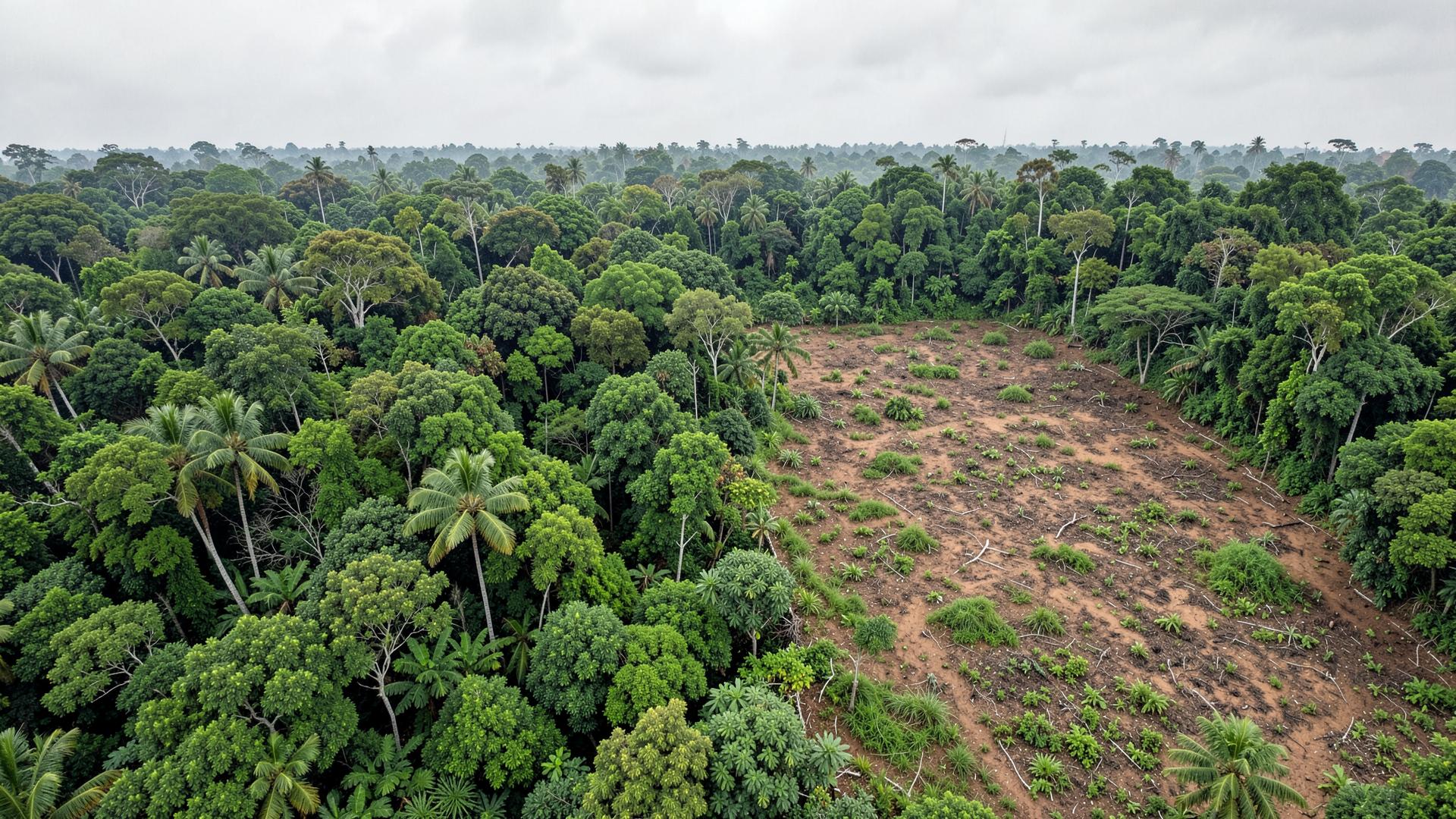
Mist rising off an unbroken stretch of tropical forest at sunrise.

Why This Matters

Indonesia’s climate ambitions depend on protecting forests, reducing emissions, and strengthening the communities and institutions that sustain them. RBP REDD+ GCF Output 2 channels results-based climate finance towards stronger forest governance, sustainable livelihoods, and measurable contributions to NDC.

Placeholder image pending programme photography.

Where the programme is, in numbers

NaNha

Forest area under programme

USD 14.4 million

Climate finance managed

7

Provinces Across Indonesia

11.43 MilliontCO2e

Emmision reductions (verified)

01

Forests are more than carbon stocks

Forests sustain biodiversity, regulate water systems, store carbon, and support livelihoods. Protecting them requires an integrated approach that combines conservation, sustainable management, restoration, and community participation.

02

Lasting results require local ownership

Forest conservation is more sustainable when communities can participate meaningfully in decision-making, manage natural resources responsibly, and access sustainable livelihood opportunities and ecosystem benefits.

03

Local action must deliver national value

Provincial interventions need to connect with Indonesia’s NDC, FOLU Net Sink 2030, and national REDD+ framework. Clear indicators, sound governance, and safeguards help make these contributions measurable and accountable.

Four Stakes

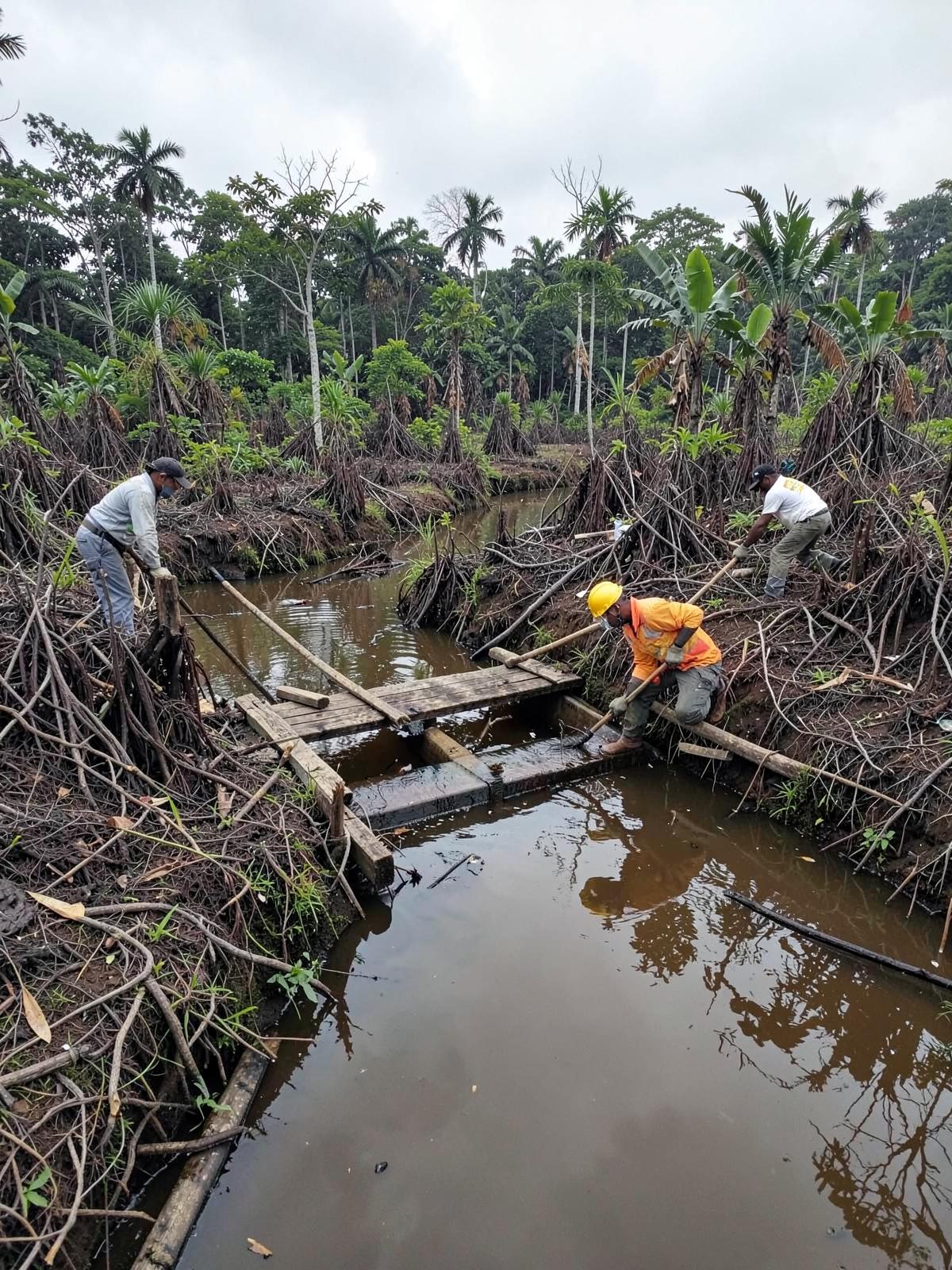
Workers building a wooden dam across a drainage canal on tropical peatland.

Pulang Pisau, Central Kalimantan · Placeholder image pending programme photography.

Accelerating Indonesia’s Climate Targets

Indonesia’s Enhanced Nationally Determined Contribution (NDC) sets 2030 GHG emission-reduction targets of 31.89% unconditionally and 43.20% with international support, against the business-as-usual (BAU) scenario. The Forestry and Other Land Use (FOLU) sector is expected to contribute 500 MtCO₂e and 729 MtCO₂e, respectively. This highlights the critical role of forests in achieving Indonesia’s climate commitments.

Achieving these commitments requires coordinated action across three complementary priorities: avoiding emissions through forest protection and fire prevention; enhancing carbon sinks through forest and land rehabilitation, restoration, and conservation; and strengthening the enabling conditions for climate action, including forest governance, institutional capacity, and measurement, reporting and verification (MRV) systems. These priorities are closely aligned with Indonesia’s FOLU Net Sink 2030 agenda and the broader implementation of REDD+.

RBP REDD+ GCF Output 2 builds on Indonesia’s recognised REDD+ results through the results-based payment mechanism, supporting further action towards the country’s national climate commitments. By advancing sustainable forest management, forest and land rehabilitation, biodiversity conservation, improved community livelihoods, and stronger REDD+ governance, the programme contributes to the implementation of Indonesia’s Enhanced NDC and FOLU Net Sink 2030 agenda. Its strategic value lies in translating results-based payments into sustained action that supports emission reductions, enhances forest carbon stocks, and strengthens the long-term environmental and social benefits of Indonesia’s forests.
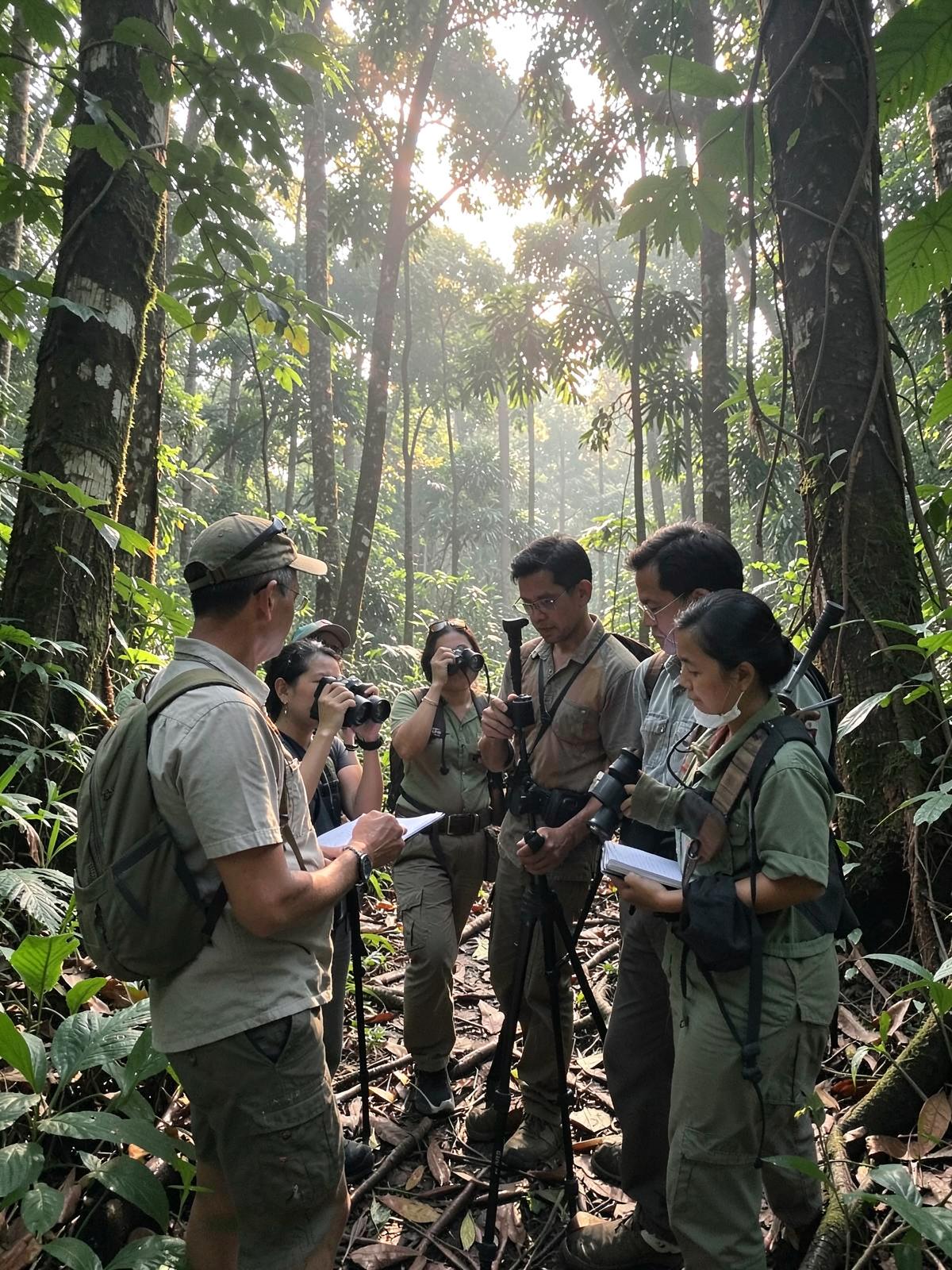
A field team recording observations with binoculars in dense rainforest.

Sorong district, Southwest Papua · Placeholder image pending programme photography.

Strengthening Sustainable Forest Management

Forests are essential to climate mitigation, biodiversity conservation, water regulation, and ecosystem services. Maintaining these benefits requires more than preventing forest loss: it also depends on capable institutions, effective management planning, forest protection, rehabilitation, and the sustainable use of natural resources.

The programme supports stronger forest management institutions, reduced deforestation and degradation, forest and land rehabilitation, and the enhancement of biodiversity and carbon stocks. Depending on provincial priorities, interventions can include forest patrols, fire prevention, ecosystem restoration, and improved forest management plans.

By integrating protection, restoration, and better governance, the programme seeks to strengthen the ecological foundations of long-term climate resilience and sustainable development.

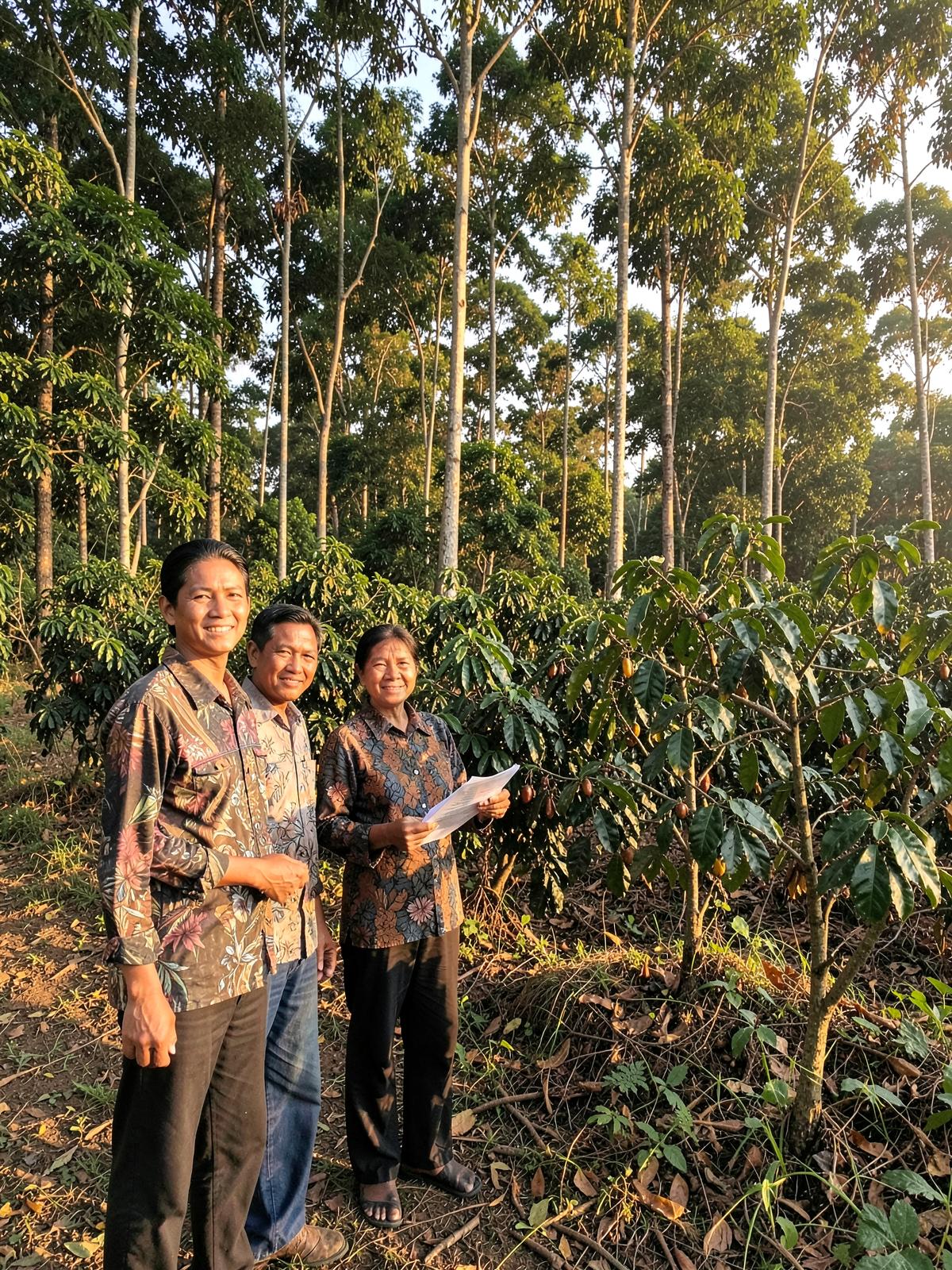
Farmers holding permit paperwork beside coffee plants at a forest edge.

West Lampung · Placeholder image pending programme photography.

Advancing Community-Based Climate Action and Livelihoods

Indigenous Peoples and local communities are important partners in forest stewardship. Their participation, knowledge, rights, and livelihoods must be considered when developing forest management and conservation interventions.

RBP REDD+ GCF Output 2 supports community participation, social forestry, sustainable livelihoods, and forest-based entrepreneurship. Relevant activities may include strengthening community groups, developing agroforestry and non-timber forest products, and improving access to sustainable ecosystem services and benefit-sharing.

This approach connects environmental objectives with local development. By strengthening community capacity and promoting fair and transparent benefit-sharing, the programme aims to support both forest conservation and meaningful social and economic outcomes.

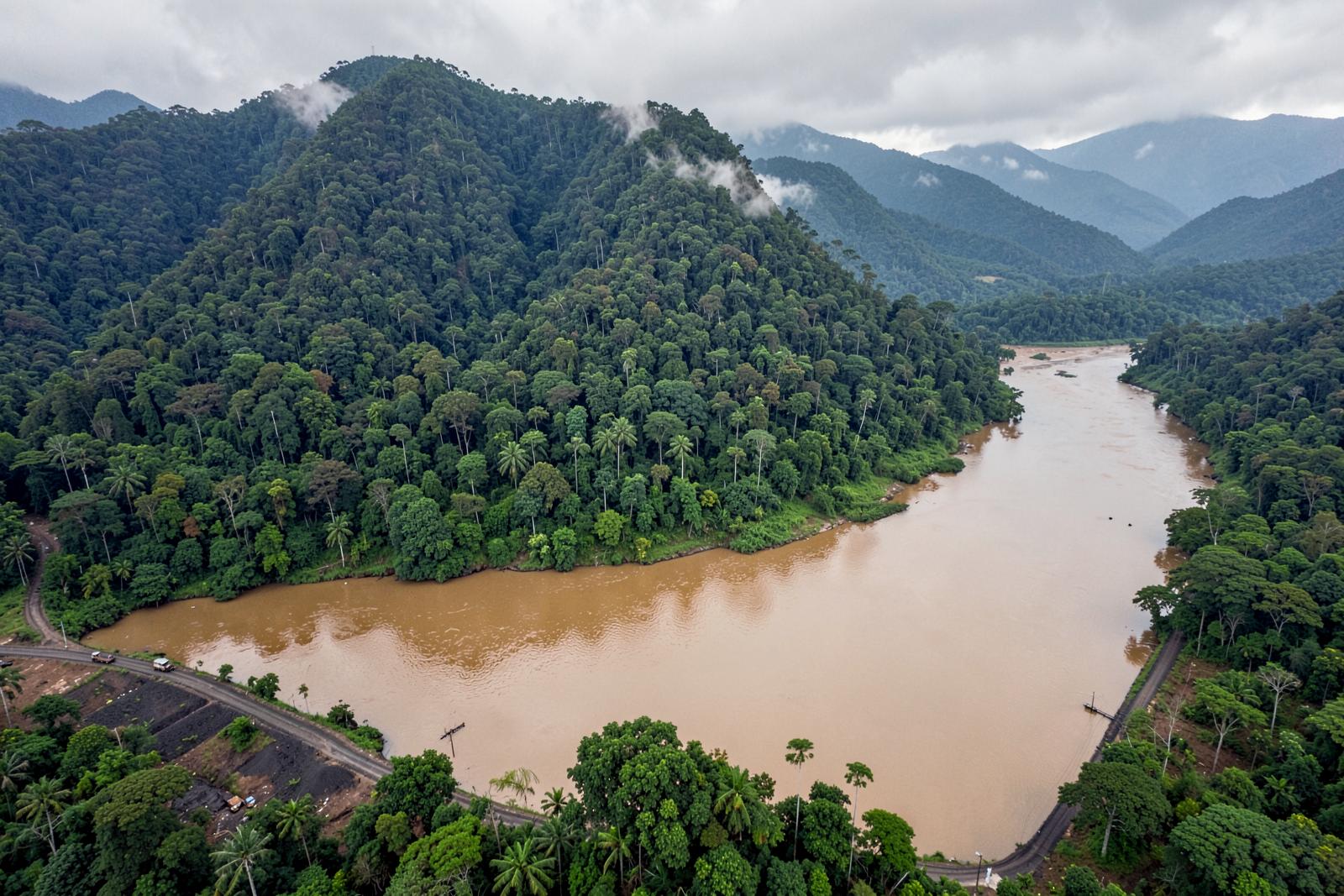
Forested ridges beside a river in the Meratus range, South Kalimantan.

Hulu Sungai Tengah, South Kalimantan · Placeholder image pending programme photography.

Strengthening REDD+ Governance and National–Subnational Integration

Effective REDD+ implementation requires coherent policies, capable institutions, credible monitoring systems, and coordination between national and subnational governments. These foundations help ensure that local interventions align with national climate priorities and that progress can be assessed transparently.

The programme supports stronger REDD+ implementation systems, including measurement, reporting and verification (MRV), forest reference emission levels (FREL), safeguards, and improved integration of provincial activities with NDC implementation. Its Results Framework connects funded activities with defined outputs and outcomes, including emission reductions, stronger forest governance, and improved access to ecosystem benefits.

By reinforcing coordination, safeguards, and measurable indicators, the programme aims to make subnational action more accountable and strengthen its contribution to Indonesia’s wider climate commitments.

Start a conversation