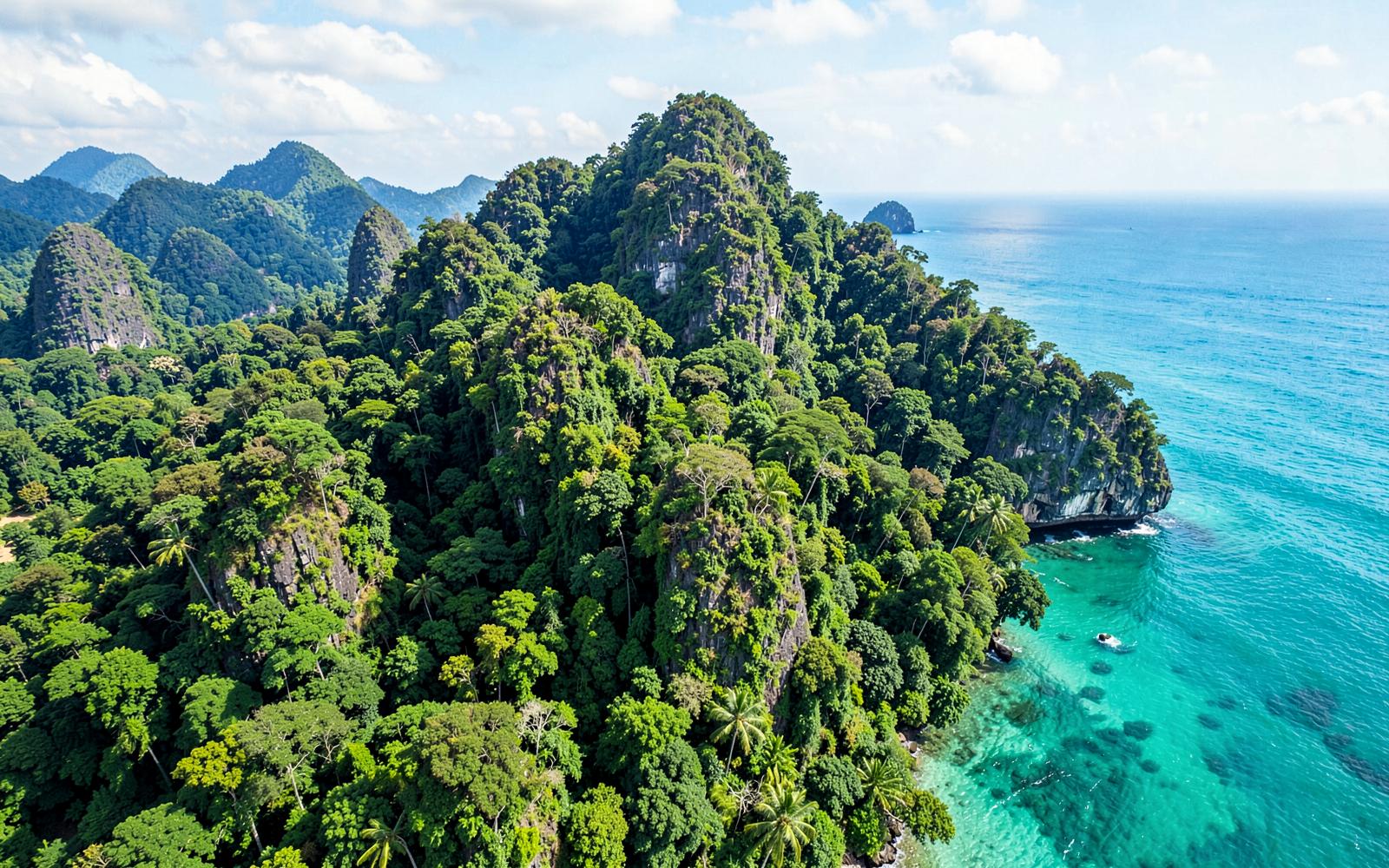
Why a whole province, not a project
A jurisdictional approach measures a province's emissions against a government baseline. The forest inside a project line and the forest beyond it count the same, so protection cannot simply move next door.
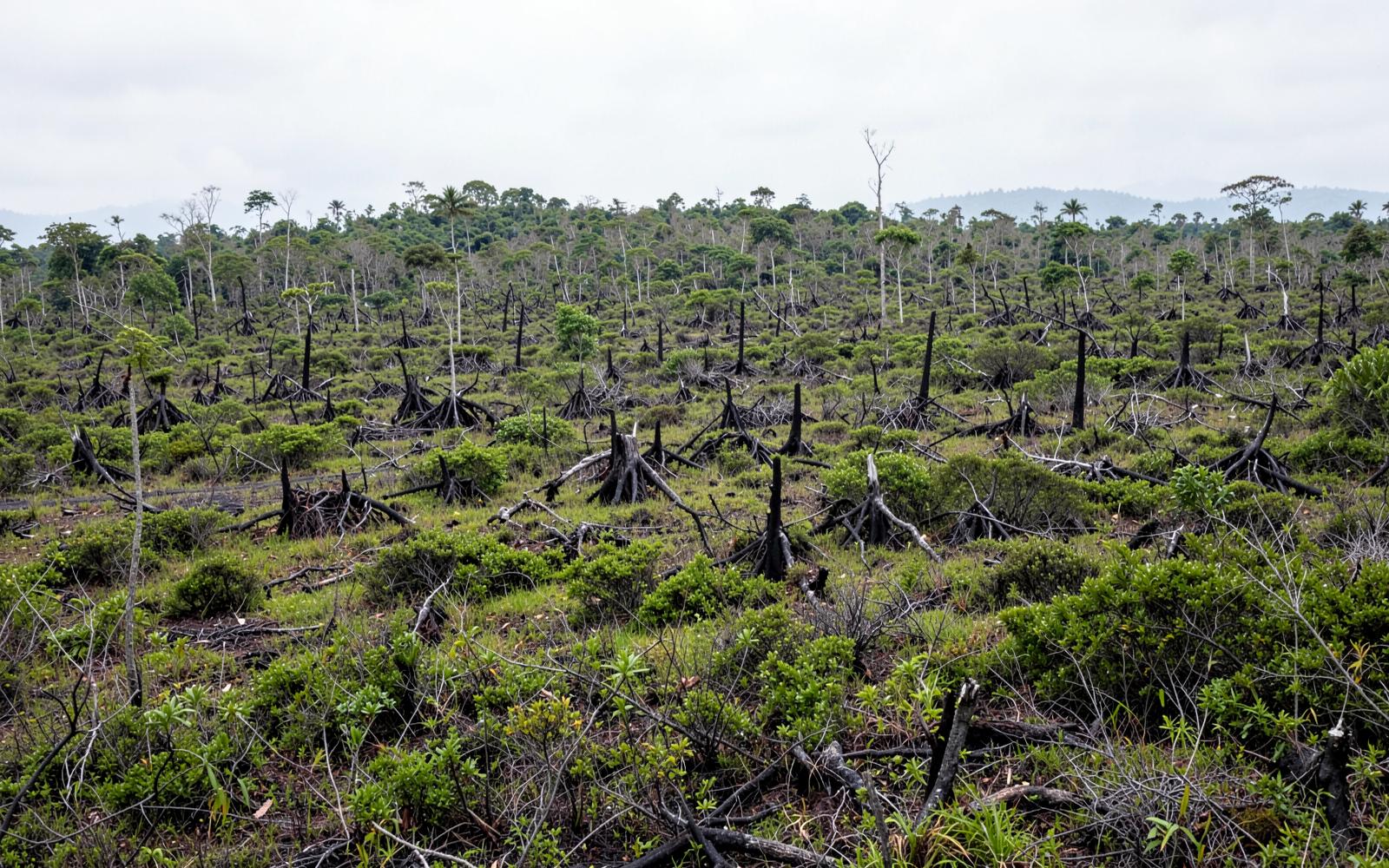
Alongside the seven-province RBP programme, Penabulu is using Output 2 funds to help Central Kalimantan, South Kalimantan and Southwest Papua build toward jurisdictional-level REDD+ credit eligibility under the ART TREES standard, with support from Indonesia's Ministry of Forestry. This sub-national approach lets an entire province's emissions performance qualify, rather than a single project boundary.
Each of the three provinces starts from a different place. Central Kalimantan is preparing province-wide REDD+ accounting and has set a target of a 20% annual reduction in greenhouse gas emissions from 2025 to 2029. Southwest Papua is preparing to have its very low deforestation rate, under 1%, recognised at province scale. South Kalimantan is building its own jurisdictional carbon pathway through Indonesia's domestic carbon economy framework (NEK), on a 2026 to 2028 roadmap that runs from provincial readiness to its first carbon transaction. The province holds roughly 937,000 hectares of forest, about a quarter of its land area.
Central Kalimantan
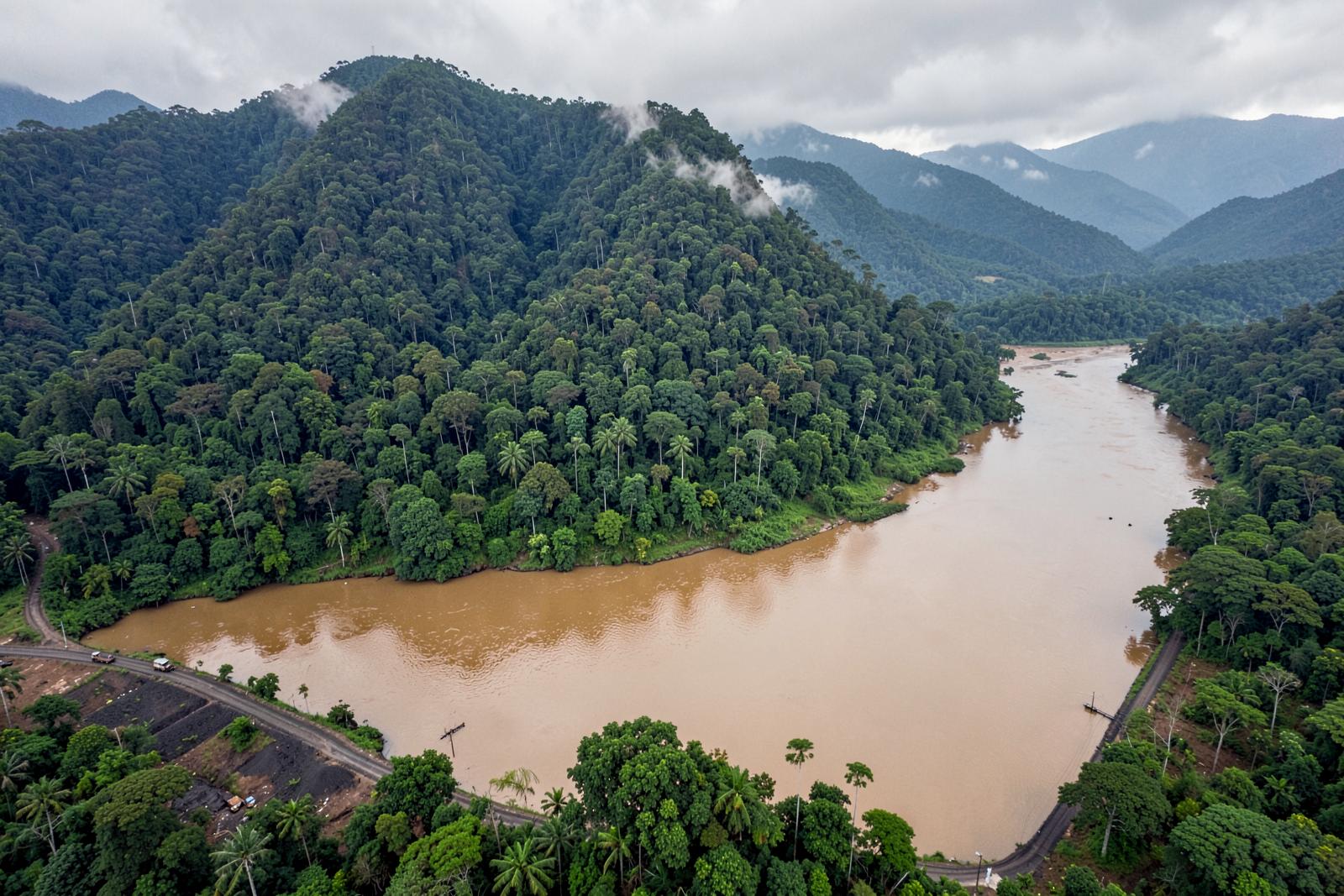
South Kalimantan
Southwest Papua
A jurisdictional approach measures a province's emissions against a government baseline. The forest inside a project line and the forest beyond it count the same, so protection cannot simply move next door.
Baselines, safeguards, benefit sharing and provincial regulations all need to be in place first. That groundwork is the stage each province is working through now.
Central Kalimantan is working against a published reduction target, Southwest Papua starts from very low deforestation, and South Kalimantan follows its own national carbon economy roadmap.