Who holds the permit
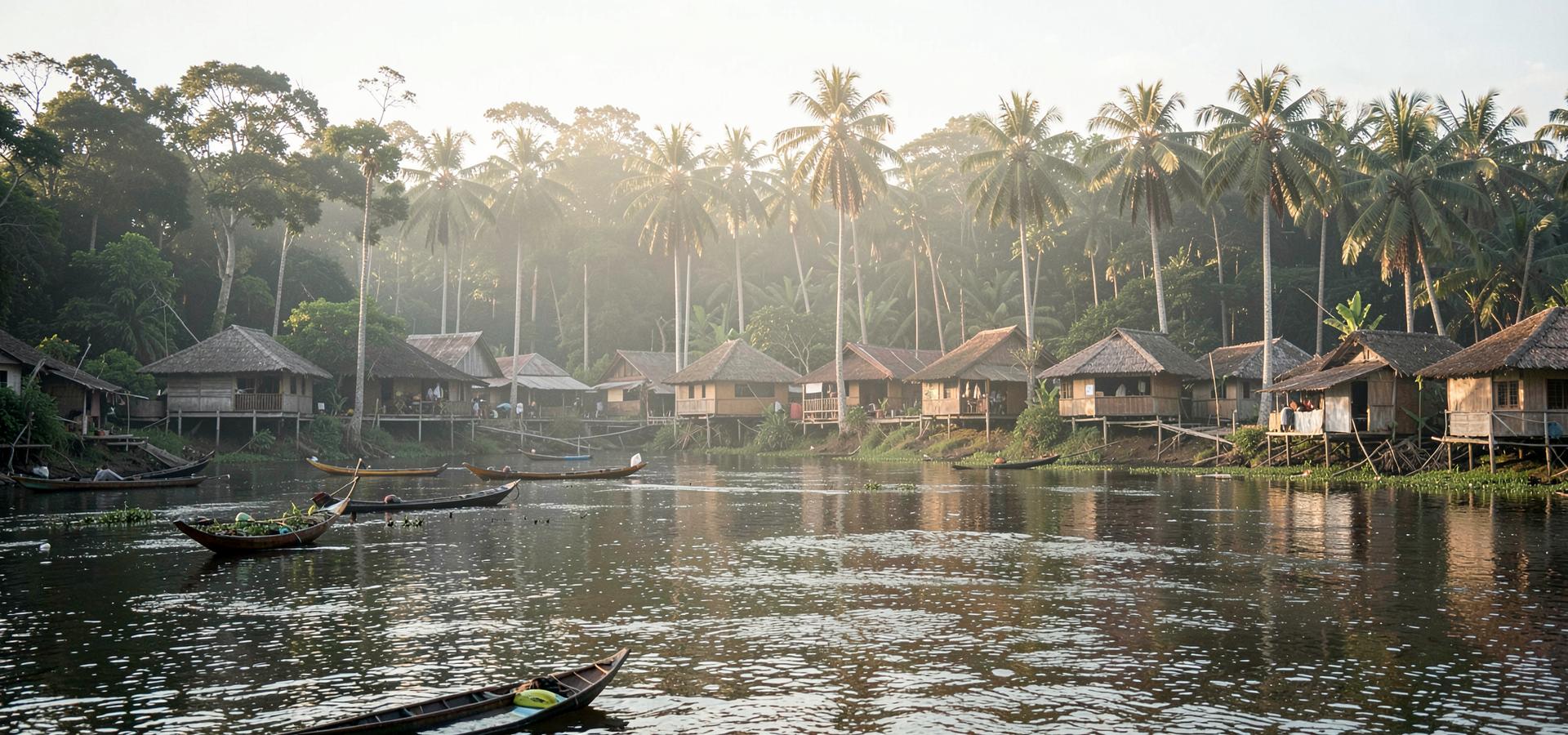
Seven hundred households in West Lampung farmed protection forest for two generations. The paperwork has finally caught up.
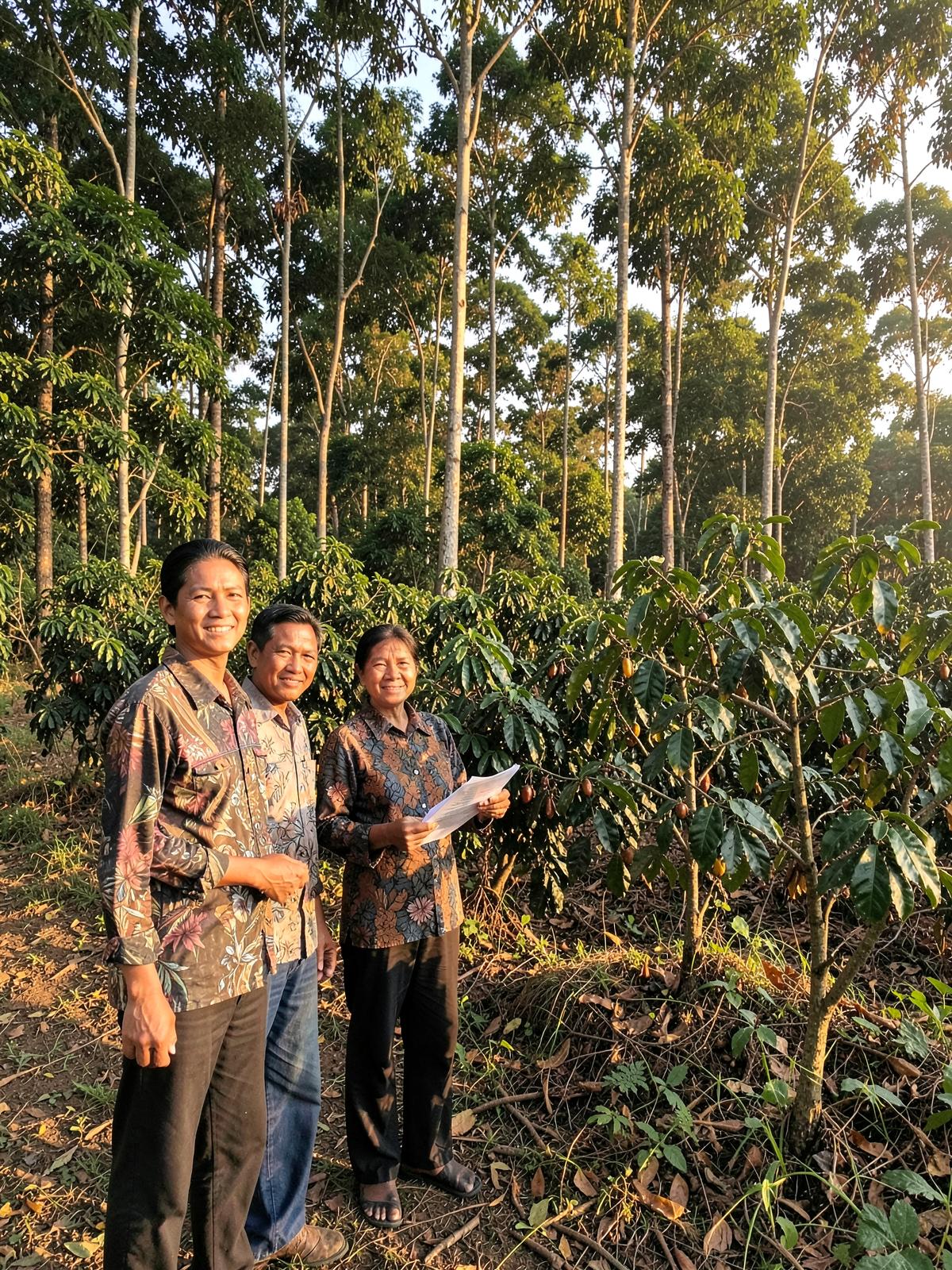
The coffee on these slopes is older than the permits that now cover it. Families cleared, planted and inherited these plots across two generations while the land itself remained, on every official map, protection forest. The gap between the map and the ground is the whole story.
Without a permit, a farmer plants what can be abandoned. Shade trees take years to pay. Nobody invests a decade into ground they can be removed from in a season.
A permit does not put coffee on the slope. It changes the time horizon of the person already farming it.
What changed
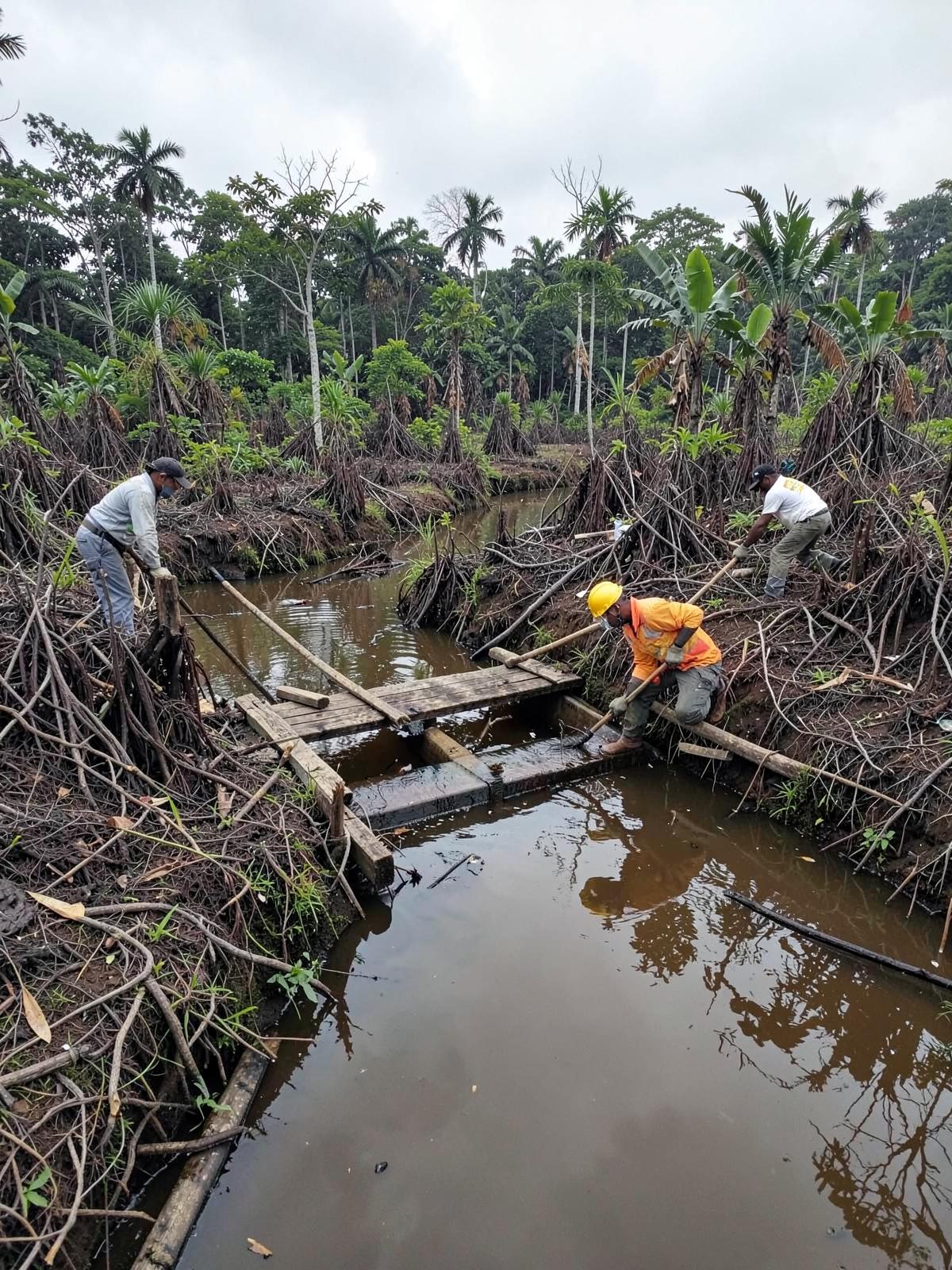
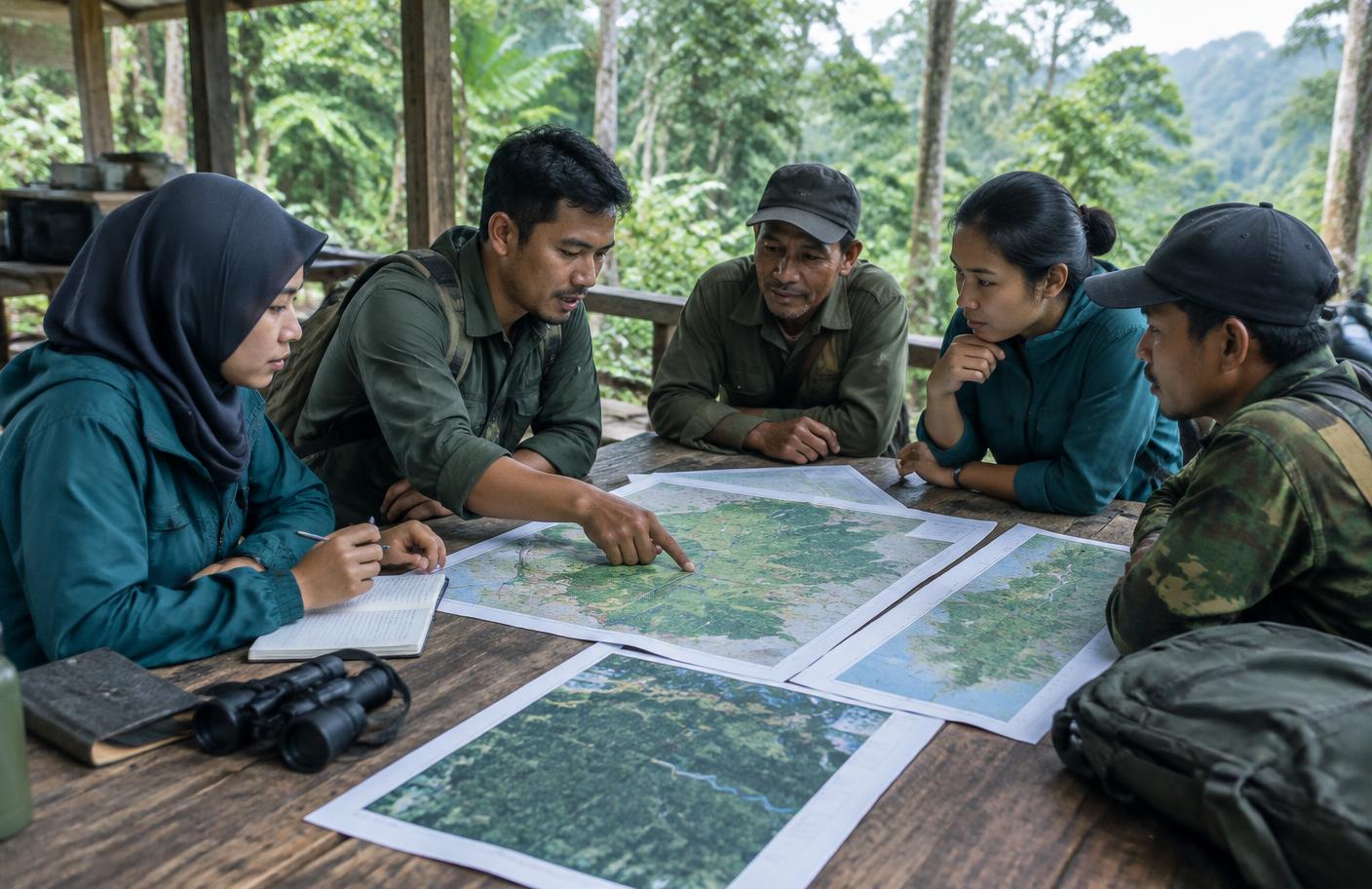
Social forestry permits give a farmer group a defined area and a fixed term, against obligations on canopy cover and on what may not be cleared. The programme's part is unglamorous: boundary work, group formation, the documents, and the follow-through with the provincial forestry service.
Community-Managed Forest Land
Once the term is secure, the planting changes shape. Shade species go in above the coffee, which is both a canopy requirement and, in the medium term, a second income.
Deforestation Recorded in 2014–2015
The unit that holds it
The permit is held by the group, not the household, which makes the group the institution that has to work.
Emission Reduction Performance Target
That is where most of the difficulty sits, and where most of the support goes.