Thirty years of drying, one canal at a time
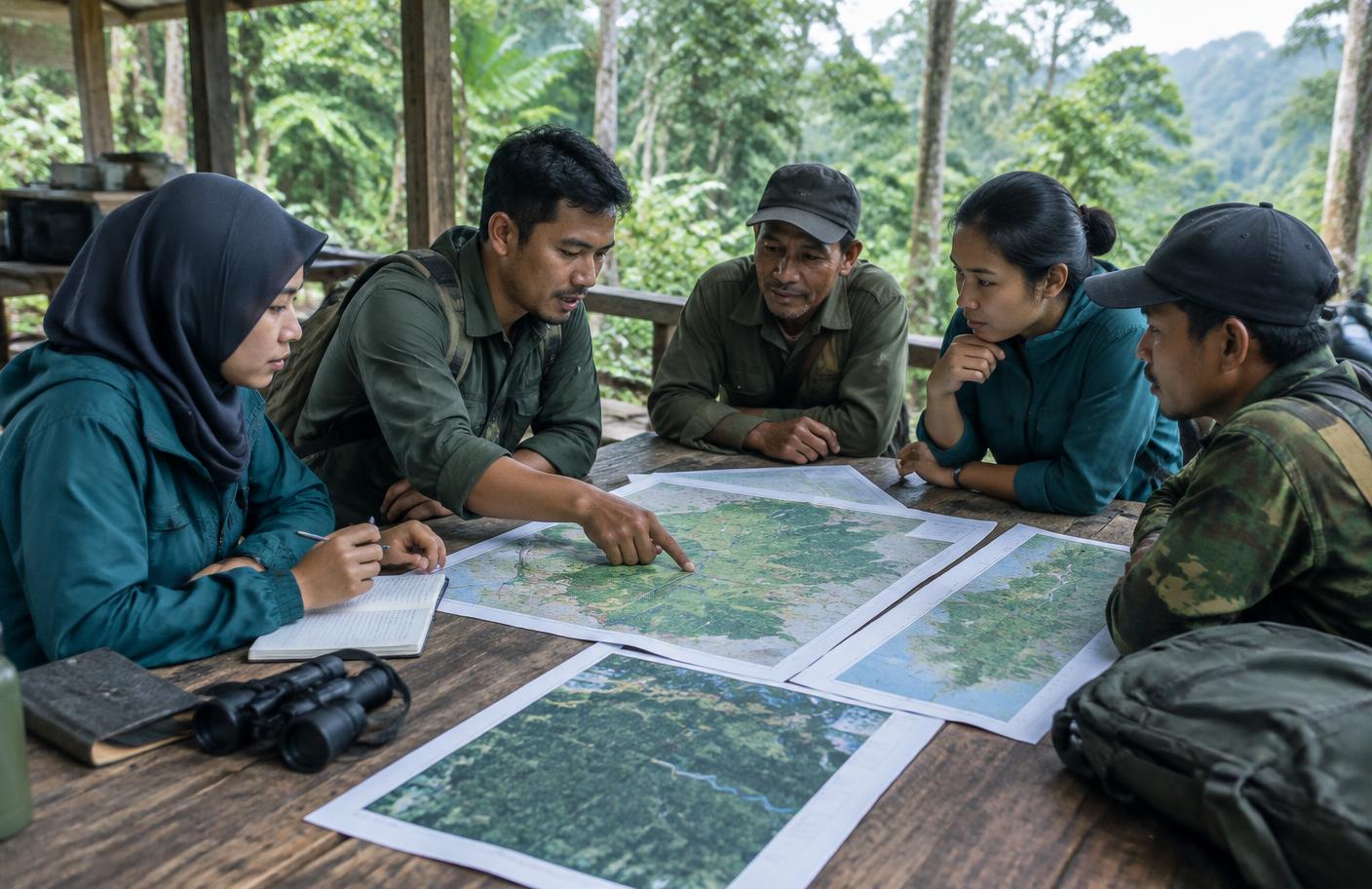
The crews closing a drainage network in Pulang Pisau are working against a scheme abandoned in the 1990s.
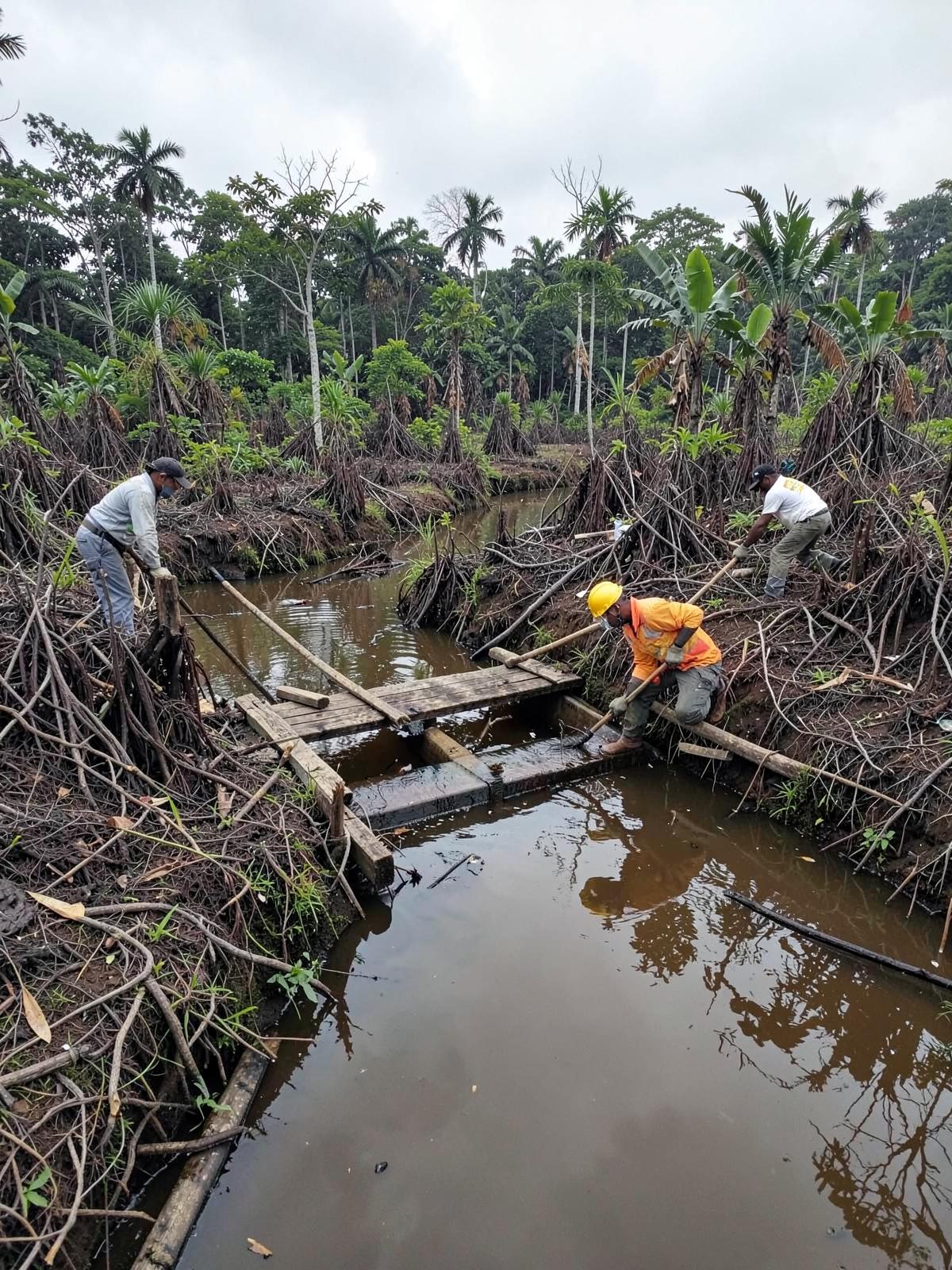
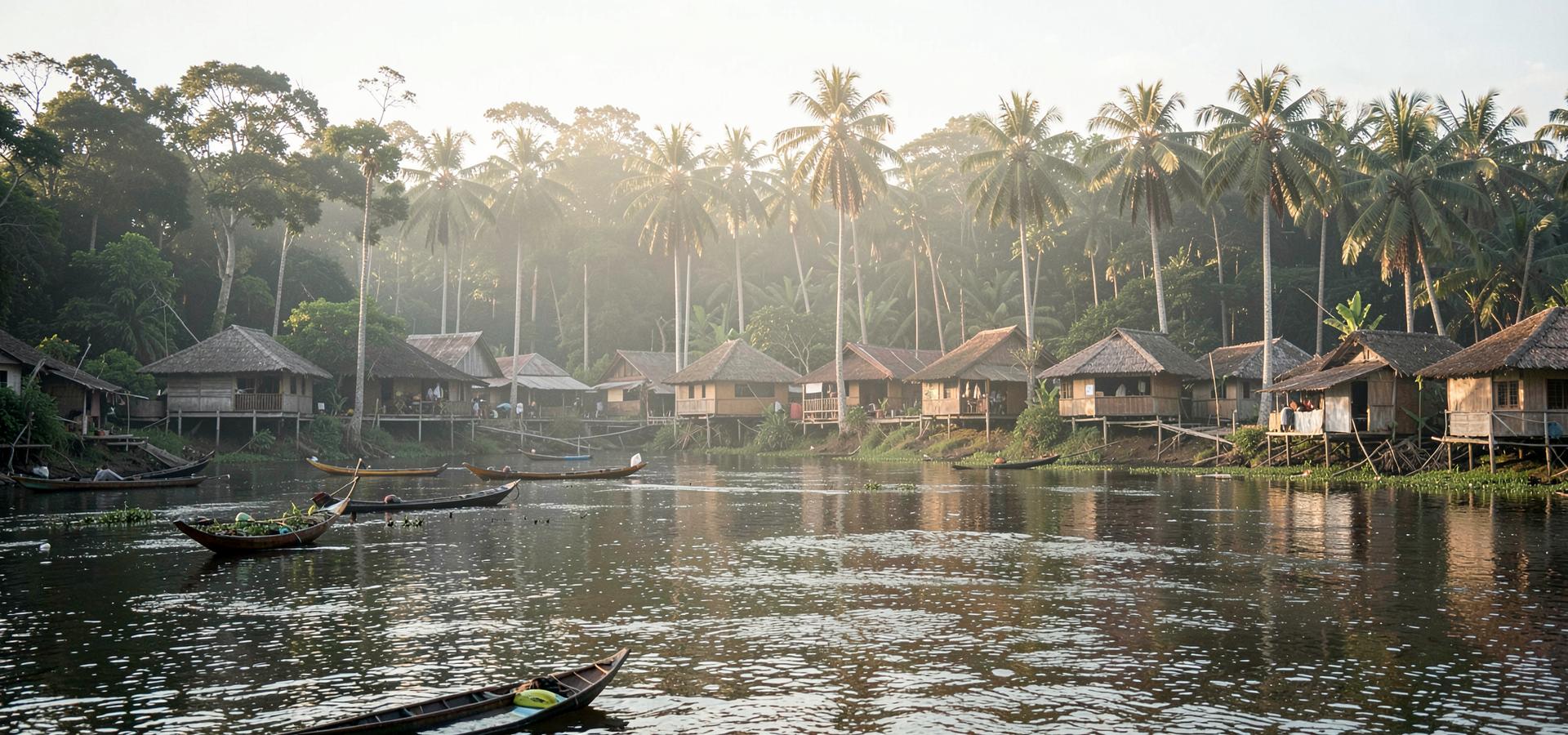
The canals came first, and everything else in this landscape has been a response to them. Cut in straight lines through peat that had held water for thousands of years, they were dug to move timber and to dry ground for rice that never came. The scheme was abandoned. The drainage stayed.
Drained peat does not wait for a chainsaw. It oxidises in place, day after day, and in a dry year it burns from below, where water cannot reach it. This is why the crews here are not planting first. They are putting the water back.
Rewetting is not restoration. It is the precondition for it.
What the work looks like
A dam is a modest object: sheet piling or timber, a metre or two of head, set where the canal is narrow enough to hold. What is not modest is the number of them required, and the agreement needed from everyone whose route to their plot the dam changes.
Water table depth is the number the crews watch. Deeper than about half a metre below the surface in the dry season and the peat is exposed to air; closer to the surface and the oxidation slows.
Conservation area
Why it is measured this way
Fire is the visible consequence, and the one that gets reported. It is also a lagging indicator: by the time a peat dome burns, the hydrology failed months earlier.
Forest Reference Emision Level (FREL)
The programme reports the water table alongside the burned area for that reason. One explains the other.